Understanding Epidurals: Pain Relief for Labor and Delivery
Giving birth is one of the most powerful experiences a woman can have—but it can also come with significant pain. For many expecting mothers, an epidural offers a safe and effective way to manage labor pain and have a more comfortable delivery.
If you’re considering an epidural, or simply want to understand your pain relief options, this guide explains what an epidural is, how it works, what to expect, and the pros and cons to help you make an informed choice.
What Is an Epidural?
An epidural is a type of regional anesthesia that blocks pain in a specific area—in this case, the lower half of the body—while allowing the mother to stay awake and alert during labor and delivery.
The procedure involves injecting a local anesthetic (and often a pain-relieving medication) into the epidural space, which surrounds the spinal cord in the lower back. This numbs the nerves that carry pain signals from the uterus and birth canal.
How Does an Epidural Work?
An epidural is usually administered by an anesthesiologist or a trained nurse anesthetist.
Here’s how it works:
1️⃣ Preparation:
You’ll be asked to sit up or lie on your side, curling your back outward to widen the spaces between your vertebrae.
2️⃣ Insertion:
The anesthesiologist cleans your lower back and numbs the skin with a small local injection. Then, a hollow needle is carefully inserted into the epidural space.
3️⃣ Catheter Placement:
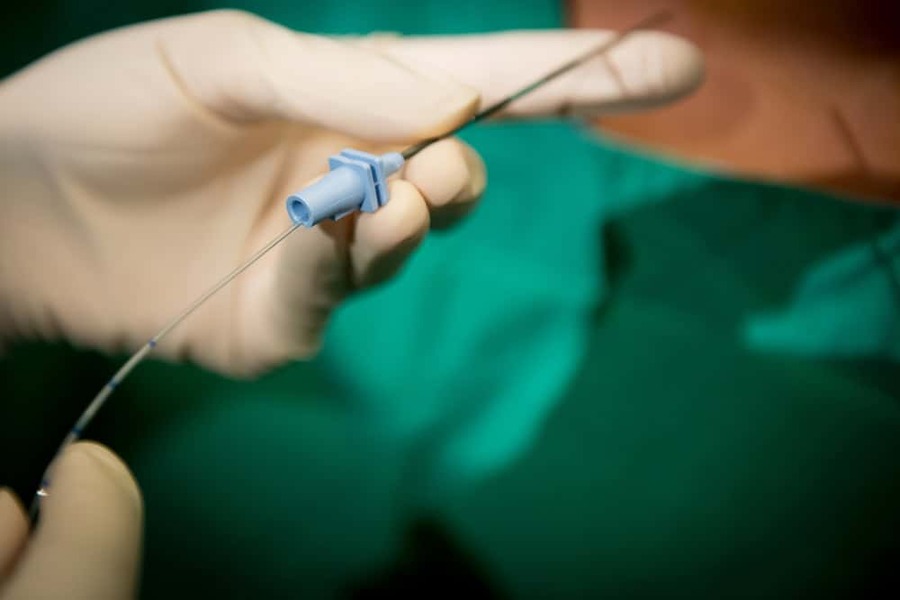
A thin, flexible tube (catheter) is threaded through the needle. The needle is removed, leaving the catheter in place to deliver continuous medication during labor.
4️⃣ Pain Relief:
Medication flows through the catheter, blocking pain signals from reaching the brain. You’ll feel numbness and reduced sensation in your lower body but will still be able to move and push when it’s time to deliver.
When Is an Epidural Given?
An epidural can be given once active labor is established, typically when the cervix is dilated to about 4–5 centimeters and contractions are regular and strong.
It’s generally not recommended too early, as it could slow labor progression, or too late, when the baby is about to be born.
Benefits of an Epidural
✅ Effective Pain Relief:
An epidural is considered the most effective method for managing labor pain.
✅ You Stay Awake:
Unlike general anesthesia, you remain awake, aware, and able to participate in your baby’s birth.
✅ Flexible Dosage:
The amount of medication can be adjusted as needed, and additional doses can be given if labor lasts longer than expected.
✅ Helps You Rest:
For long labors, an epidural can help you conserve energy for pushing and delivery.
✅ Useful for C-Sections:
If a cesarean section becomes necessary, an epidural can provide anesthesia without needing general sedation.
Risks and Side Effects of an Epidural
Like any medical procedure, an epidural has potential risks and side effects. These may include:
Drop in Blood Pressure:
The medication can cause a sudden drop in blood pressure, which is closely monitored and treated if needed.Shivering and Itching:
Some women experience shivering or mild itching due to the medication.Difficulty Pushing:
Numbness may make it harder to feel contractions and push effectively, possibly increasing the chance of assisted delivery (forceps or vacuum).Headache:
Rarely, if the needle punctures the spinal fluid sac, a severe headache can occur (called a spinal headache).Temporary Back Soreness:
Mild tenderness at the injection site may last a few days.Rare Complications:
Serious complications, such as nerve damage or infection, are extremely rare when an epidural is administered by a trained professional.
Who Shouldn’t Have an Epidural?
Not everyone is a candidate for an epidural. It may not be suitable if you have:
A blood-clotting disorder
Certain infections near the injection site
Low platelet count
Heavy bleeding
Specific back surgeries or spinal conditions
Always discuss your medical history with your healthcare provider before labor.
Alternatives to an Epidural
If you prefer to avoid an epidural or cannot have one, there are other pain relief options for labor:
IV or injected pain medications (systemic opioids)
Local anesthesia for numbing specific areas
Spinal block (a single injection for quick pain relief, often used for C-sections)
Nitrous oxide (laughing gas)
Natural methods like breathing techniques, water birth, massage, or relaxation exercises
What to Expect After Delivery
The effects of an epidural wear off gradually after delivery. You’ll regain full feeling and mobility within a few hours. Some mild back soreness may occur but typically resolves quickly.
If you experience persistent headaches, numbness, or other unusual symptoms after an epidural, contact your healthcare provider.
Final Thoughts
Choosing whether to have an epidural is a personal decision that depends on your preferences, health, and labor progress. For many women, an epidural provides welcome relief, allowing them to stay calm, comfortable, and focused on the birth of their baby.
If you’re considering an epidural, talk to your OB-GYN or birth team early in your pregnancy. Understanding your options, benefits, and possible side effects will help you feel prepared and confident when it’s time to welcome your little one into the world.
Have questions about birth plans or pain management options? We can help you create a birth plan checklist or answer more questions—just let us know!