Transvaginal Ultrasound (TVS): What Women Should Know
Ultrasound is one of the most important imaging tools in women’s health. While abdominal ultrasound is widely known, there is another specialized type called transvaginal ultrasound (TVS). This procedure provides a closer and clearer look at the female reproductive organs, helping doctors detect conditions and guide treatment with accuracy.
What Is a Transvaginal Ultrasound?
A transvaginal ultrasound (TVS) is a type of pelvic ultrasound where a small ultrasound probe is gently inserted into the vagina to capture detailed images of the reproductive organs.
Unlike abdominal ultrasound, which uses a probe on the outside of the belly, TVS provides higher-resolution images because the probe is placed closer to the uterus, ovaries, cervix, and surrounding structures.
Why Is a TVS Performed?
Doctors may recommend a TVS for many reasons, including:
Evaluating pelvic pain or abnormal bleeding
Checking for uterine conditions such as fibroids, polyps, or endometrial abnormalities
Assessing ovarian health and detecting cysts, tumors, or polycystic ovary syndrome (PCOS)
Investigating infertility and monitoring ovulation or follicle development
Confirming early pregnancy and checking the location of the gestational sac
Diagnosing ectopic pregnancy (pregnancy outside the uterus)
Monitoring intrauterine devices (IUDs) for correct placement
What to Expect During the Procedure
Preparation
Usually, no special preparation is needed.
Unlike abdominal ultrasounds, a full bladder is not required (in fact, an empty bladder is often preferred).
The Procedure
You’ll be asked to lie on your back with knees bent, similar to a pelvic exam.
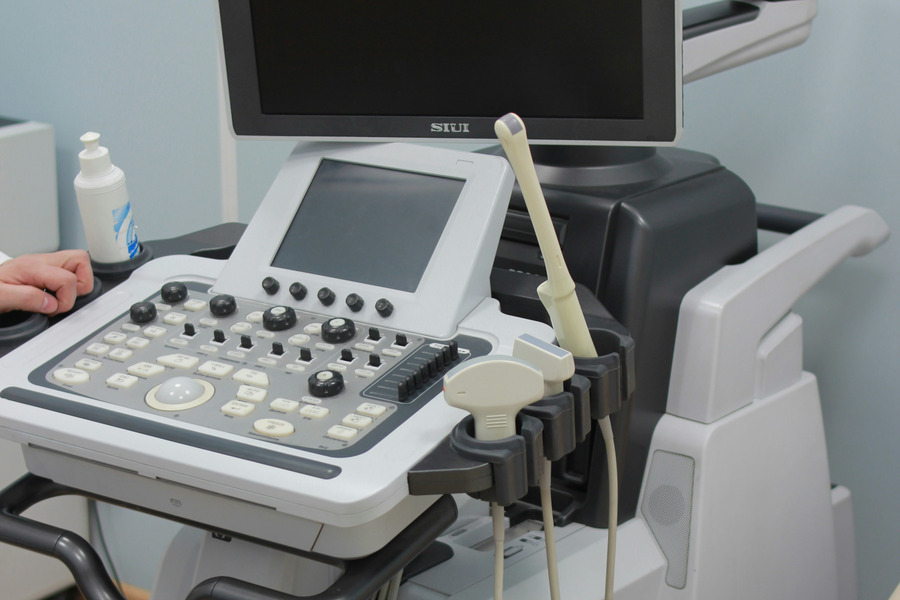
A thin, covered ultrasound probe with a small amount of gel is gently inserted a few centimeters into the vagina.
The probe transmits sound waves, creating real-time images on a monitor.
Duration
The test usually takes 15–30 minutes.
Comfort and Safety
Most women find it mildly uncomfortable but not painful.
The procedure is safe and does not use radiation.
Benefits of a TVS
Provides clearer and more accurate images than abdominal ultrasound
Detects early pregnancy changes sooner
Helps in diagnosing conditions at an earlier stage
Aids in fertility treatments by monitoring ovulation and embryo implantation
Risks and Considerations
TVS is considered very safe. Some women may feel slight pressure or mild discomfort during the exam, but there are no significant risks. It does not harm the uterus, ovaries, or an early pregnancy.
When Should You Ask About TVS?
You may want to ask your doctor about TVS if you experience:
Persistent pelvic pain or bloating
Irregular, heavy, or painful periods
Difficulty conceiving
Suspected miscarriage or ectopic pregnancy
Unexplained vaginal bleeding
Final Thoughts
A transvaginal ultrasound is a safe, effective, and highly valuable tool in women’s health. By providing clearer images of the reproductive organs, TVS helps doctors diagnose conditions, monitor pregnancy, and guide treatments with greater accuracy.
If your doctor recommends a TVS, remember that it is a routine procedure designed to give you the best possible care and insight into your reproductive health.