Episiotomy: Why It’s Done, When It’s Needed, Risks, and Recovery
Childbirth is an incredible experience, but it can also bring concerns about labor, delivery, and potential procedures that support a safe birth. One of these procedures is an episiotomy – a small surgical cut made in the perineum (the area between the vagina and anus) during childbirth.
Though once routine, episiotomies are now performed only when medically necessary, and most women give birth without needing one. Understanding what an episiotomy is, why it may be recommended, and how recovery works can help you feel more prepared and confident for delivery.
What Is an Episiotomy?
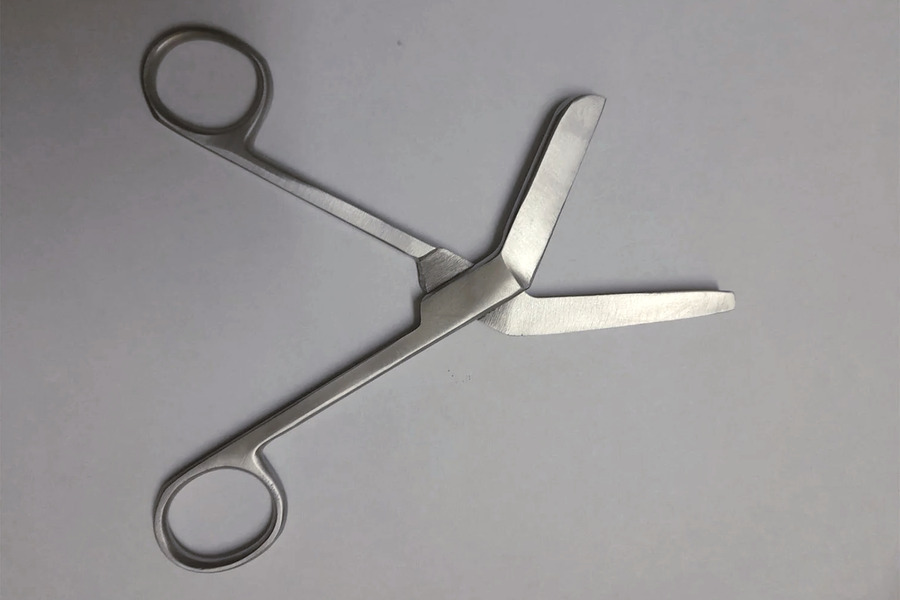
An episiotomy is a small incision made in the vaginal opening during the pushing stage of labor. It is done to enlarge the opening and assist with the safe birth of the baby when certain situations arise.
The procedure is done under local anesthesia (unless you already have an epidural), so you should not feel the incision itself.
Why Would an Episiotomy Be Needed?
While it is not routinely recommended, an episiotomy can be beneficial or necessary in specific situations:
1. Baby Is in Distress
If the baby’s heart rate drops and quick delivery is required, an episiotomy can help speed up birth.
2. Difficult or Prolonged Labor
When pushing has been long and progress is slow, it may help avoid complications.
3. Assisted Delivery
During vacuum or forceps-assisted births, additional space may be needed.
4. Shoulder Dystocia
If the baby’s shoulder becomes stuck after the head is delivered, an episiotomy may help.
5. Breech Birth
In some breech deliveries, it creates space to safely deliver the baby.
6. Thick Scar Tissue
Women who have significant perineal scarring (from previous injuries or genital surgery) may need an episiotomy to avoid severe tearing.
Types of Episiotomy Cuts
There are two main types:
1. Midline Episiotomy
A straight cut downward from the vaginal opening
Less pain and heals faster
But may increase the risk of tearing into the anal area
2. Mediolateral Episiotomy
A cut at an angle
Lower risk of severe tears
Slightly more discomfort and longer healing time
The type used depends on the provider and the specific birth situation.
How Is an Episiotomy Performed?
The process is simple and quick:
Your provider checks the need for an episiotomy.
Local anesthesia or an existing epidural is used to numb the area.
A small cut is made during a contraction.
The baby is delivered shortly after.
The incision is repaired with dissolvable stitches.
You will not need the stitches removed – they dissolve on their own within a few weeks.
Healing and Recovery After an Episiotomy
Like any surgical cut, an episiotomy needs time to heal.
Normal recovery timeline:
First week: Soreness and swelling improve
2–3 weeks: Stitches dissolve
4–6 weeks: Most women heal completely
How to Care for the Area
Cold packs
Applying ice helps reduce swelling and discomfort, especially within the first 24–48 hours.
Keep the area clean
Rinse with warm water using a peri bottle after using the toilet.
Warm sitz baths
Helps soothe the tissues and promote healing.
Pain relievers
Medications safe for breastfeeding may be recommended.
Stool softeners
These help prevent straining and protect stitches.
Rest and avoid pressure
Try side-lying positions while resting or breastfeeding.
Wear breathable cotton underwear
This helps reduce moisture and irritation.
Possible Complications
Most women heal without problems, but complications can occur:
Infection
Bleeding or hematoma
Pain during intercourse
Scar tissue discomfort
Rarely, wound breakdown
Contact your provider if you notice:
Fever
Foul-smelling discharge
Severe pain
Stitches opening
Redness or warmth
Difficulty controlling bowel movements
Prompt care can prevent complications.
Episiotomy vs. Natural Tears
Many women wonder whether an episiotomy is better or worse than natural tearing.
Episiotomy advantages:
Controlled, straight cut
Can speed up delivery in emergencies
Natural tear advantages:
Often smaller and less painful
Heal more easily than surgical cuts
Lower risk of extending into anal muscles
For these reasons, routine episiotomies are no longer recommended. Only medically necessary ones are performed.
Can You Prevent an Episiotomy?
While it’s not always avoidable, certain habits may reduce the likelihood:
Perineal massage from 34–35 weeks
May increase flexibility of the perineal tissues.
Slow, controlled pushing
Following your provider’s guidance reduces sudden pressure.
Warm compresses during pushing
Can soften tissues and reduce tearing.
Changing labor positions
Side-lying or upright positions may reduce stress on the perineum.
Final Thoughts
An episiotomy is a medical tool used to support safe childbirth when complications arise. While most women give birth without needing one, it can be a helpful intervention when the baby needs to be delivered quickly and safely.
Understanding when episiotomy is recommended, what the procedure involves, and how to care for yourself afterward helps you feel more confident and prepared for your birth experience.
If you have concerns about tearing or episiotomy, discuss them with your healthcare provider – they can guide you through your options and help you plan for a safe delivery.