Exercise During Pregnancy: Staying Active and Healthy for You and Your Baby
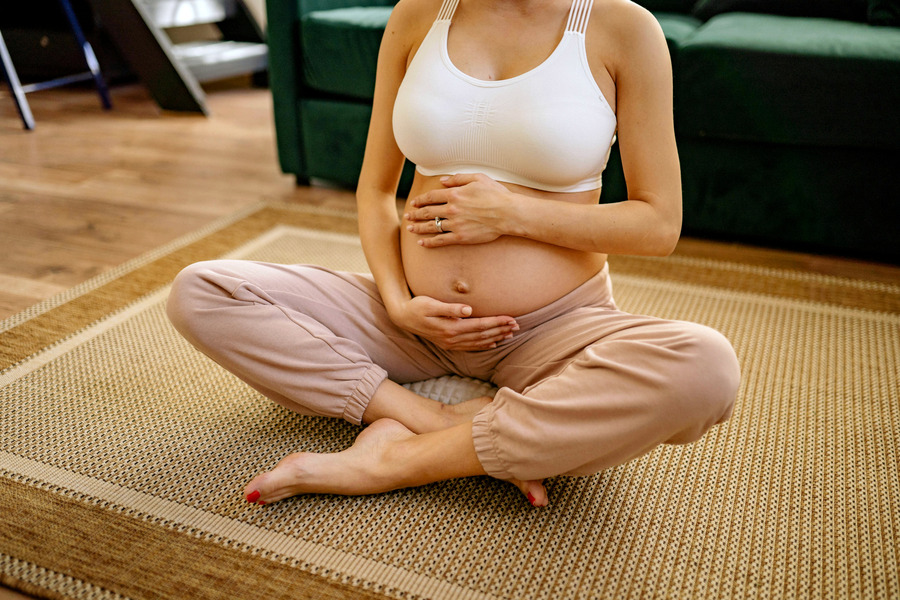
Pregnancy is a time of major physical and emotional change—and maintaining an active lifestyle can make a big difference in how you feel. While it’s natural to wonder if exercise is safe during pregnancy, the truth is that, for most women, regular physical activity offers many benefits for both mother and baby.
With your doctor’s approval, the right kind of exercise can help you stay strong, manage discomfort, and prepare your body for childbirth and recovery.
Benefits of Exercise During Pregnancy
Engaging in safe, moderate exercise throughout pregnancy supports overall well-being in numerous ways.
For the Mother:
Improves mood and energy by releasing endorphins.
Reduces pregnancy discomforts such as back pain, constipation, and swelling.
Promotes better sleep and reduces fatigue.
Helps manage weight gain and lowers the risk of gestational diabetes.
Strengthens muscles for labor, delivery, and postpartum recovery.
Improves circulation, reducing leg cramps and varicose veins.
For the Baby:
May promote healthy birth weight.
Improves placental blood flow, supporting growth and oxygen supply.
May help the baby adapt better to stress and physical activity after birth.
Safe Types of Exercise During Pregnancy
Most women can safely continue or begin moderate-intensity exercise during pregnancy. The key is to choose low-impact, safe, and comfortable activities.
1. Walking
Simple, gentle, and safe for all fitness levels.
Keeps your body active without straining joints.
2. Swimming and Water Aerobics
Reduces pressure on joints and helps with swelling.
The buoyancy of water supports your weight, offering a soothing workout.
3. Prenatal Yoga and Stretching
Improves flexibility, posture, and relaxation.
Focuses on breathing techniques useful for labor.
4. Stationary Cycling or Elliptical
Provides aerobic benefits without the risk of falling.
Helps maintain cardiovascular fitness.
5. Light Strength Training
Builds muscle tone and supports joint stability.
Use lighter weights and proper form—avoid heavy lifting.
Exercises to Avoid During Pregnancy
While staying active is important, certain activities pose higher risks and should be avoided:
Contact sports (e.g., soccer, basketball, martial arts)
High-impact exercises that risk falling or abdominal injury (e.g., skiing, horseback riding)
Hot yoga or hot Pilates, which can raise core body temperature excessively
Deep abdominal exercises like crunches or planks after the first trimester
Scuba diving or activities performed at high altitude
Always listen to your body—if something feels uncomfortable or painful, stop immediately.
How Much Exercise Is Recommended?
The American College of Obstetricians and Gynecologists (ACOG) recommends at least:
➡️ 150 minutes of moderate-intensity aerobic activity per week, ideally spread across several days.
That can mean 30 minutes of activity five days a week—or even shorter 10-minute sessions throughout the day.
Tips for Exercising Safely During Pregnancy
Consult Your Healthcare Provider First
Especially important if you have high-risk pregnancy conditions (e.g., preeclampsia, placenta previa).
Stay Hydrated
Drink plenty of water before, during, and after workouts.
Avoid Overheating
Exercise in a cool environment and wear breathable clothing.
Warm Up and Cool Down
Gentle stretching before and after helps prevent injury.
Listen to Your Body
Stop if you feel dizzy, short of breath, have chest pain, or notice contractions.
Modify as Pregnancy Progresses
Your center of gravity changes, so balance-focused movements may need adjustment.
When to Stop Exercising and Call Your Doctor
Stop your workout and contact your healthcare provider if you experience:
Vaginal bleeding or fluid leakage
Dizziness or faintness
Severe abdominal or pelvic pain
Shortness of breath before exertion
Irregular or painful contractions
These may be signs that your body needs rest or medical evaluation.
Final Thoughts
Exercise during pregnancy is one of the best things you can do for yourself and your baby. With the right precautions, it promotes strength, comfort, and emotional well-being while preparing your body for the journey of childbirth and recovery.
Always consult your healthcare provider before starting or changing your fitness routine, and remember—every pregnancy is unique. The goal isn’t perfection; it’s to stay healthy, active, and empowered as you nurture new life.