Understanding Estrogen: The Hormone That Shapes Women’s Health
Estrogen is one of the most important hormones in the female body. It influences everything from menstrual cycles and fertility to bone health, mood, and even heart function. While both men and women produce estrogen, it plays a particularly vital role in the female reproductive system and overall well-being.
Understanding how estrogen works, what affects its levels, and how imbalances can impact health can empower women to take charge of their hormonal and reproductive health.
What Is Estrogen?
Estrogen is a group of hormones primarily responsible for the development and regulation of the female reproductive system and secondary sexual characteristics (such as breasts and body shape).
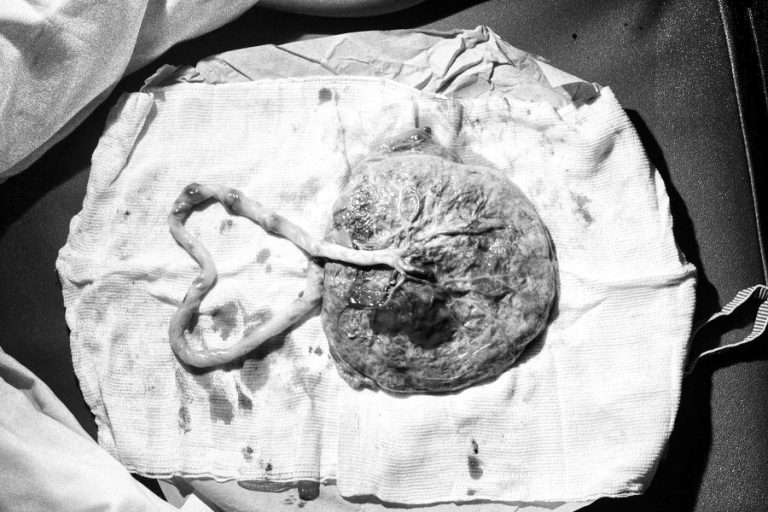
It is mainly produced by the ovaries, but smaller amounts are also made by the adrenal glands and fat tissue. During pregnancy, the placenta becomes a significant source of estrogen.
Types of Estrogen
There are three main forms of estrogen, and each plays a specific role at different stages of life:
Estradiol (E2)
The most common type in women of reproductive age.
Regulates the menstrual cycle and supports fertility.
Estrone (E1)
The primary estrogen after menopause.
Produced in small amounts by fat tissue.
Estriol (E3)
Mainly produced during pregnancy.
Helps the uterus grow and prepares the body for childbirth.
What Does Estrogen Do in the Body?
Estrogen affects more than just reproductive health. It plays a vital role in many body systems, including:
1. Reproductive System
Regulates the menstrual cycle.
Prepares the uterine lining (endometrium) for possible pregnancy.
Supports ovulation and fertility.
2. Bones and Muscles
Helps maintain bone density and strength.
Reduces the risk of osteoporosis after menopause.
3. Heart and Circulation
Supports healthy cholesterol levels.
Promotes flexibility of blood vessels, which can protect heart health.
4. Skin and Hair
Improves skin elasticity, hydration, and thickness.
Contributes to healthy hair growth.
5. Brain and Mood
Influences mood, memory, and cognitive function.
Low estrogen levels are linked to mood swings and anxiety.
What Causes Changes in Estrogen Levels?
Estrogen levels naturally fluctuate throughout life, influenced by factors such as:
Menstrual cycle (rising before ovulation, then falling before menstruation)
Pregnancy (levels increase significantly)
Perimenopause and menopause (levels decline gradually)
Certain medical conditions or medications
Signs of Estrogen Imbalance
When estrogen levels are too high or too low, it can affect both physical and emotional health.
Symptoms of Low Estrogen
Irregular or missed periods
Hot flashes and night sweats
Vaginal dryness
Low libido
Mood changes or depression
Weak bones (osteopenia or osteoporosis)
Symptoms of High Estrogen
Bloating and breast tenderness
Heavy or irregular menstrual bleeding
Weight gain (especially around hips and thighs)
Mood swings or anxiety
Fatigue or headaches
Causes of Estrogen Imbalance
Hormonal imbalances can be caused by various factors, including:
Perimenopause or menopause
Polycystic Ovary Syndrome (PCOS)
Thyroid disorders
Obesity or sudden weight changes
Stress or poor sleep
Use of certain medications or birth control pills
Diagnosing Estrogen Imbalances
If you suspect an estrogen imbalance, your doctor may:
Conduct a physical exam and medical history review.
Order a blood test to check hormone levels.
Perform additional tests to rule out other causes (e.g., thyroid or adrenal disorders).
How to Maintain Healthy Estrogen Levels
1. Balanced Diet
Include foods rich in phytoestrogens (natural plant compounds that mimic estrogen) such as soy, flaxseed, chickpeas, and lentils.
Eat plenty of fruits, vegetables, and whole grains for hormone balance.
2. Regular Exercise
Moderate activity helps regulate hormones and maintain a healthy weight.
3. Stress Management
Chronic stress can disrupt hormone production.
Try relaxation techniques like yoga, deep breathing, or meditation.
4. Avoid Smoking and Limit Alcohol
Both can interfere with estrogen metabolism and increase health risks.
5. Medical Treatment (if necessary)
Hormone replacement therapy (HRT) may be recommended for menopausal women with low estrogen.
Medication adjustments may be made if high estrogen is linked to other health conditions.
Always consult a healthcare provider before starting any hormone therapy or supplements.
Final Thoughts
Estrogen plays a crucial role in every stage of a woman’s life – from puberty to menopause. Keeping your hormones balanced through healthy habits and regular checkups can help protect your reproductive, bone, heart, and emotional health.
If you experience symptoms of an estrogen imbalance, don’t ignore them. Early evaluation and proper treatment can help restore hormonal balance and improve quality of life.
Your hormones are powerful – but with knowledge and care, you can keep them working in harmony.