Pregnancy Outside the Uterus: Understanding Ectopic Pregnancy
Pregnancy is meant to develop inside the uterus, where the growing baby can thrive. In some rare cases, however, a fertilized egg implants outside the uterus. This condition is known as an ectopic pregnancy, and while it cannot result in a viable pregnancy, it is a serious medical issue that requires immediate attention.
What Is an Ectopic Pregnancy?
An ectopic pregnancy occurs when a fertilized egg implants and begins to grow outside the uterus. The most common site is the fallopian tube (called a tubal pregnancy). Less commonly, implantation may occur in the ovary, cervix, or even the abdominal cavity.
Since these areas are not designed to support a pregnancy, the growing embryo can cause life-threatening complications if untreated.
Causes and Risk Factors
Ectopic pregnancies happen for a variety of reasons, often linked to conditions that affect the fallopian tubes. Risk factors include:
Previous ectopic pregnancy
Pelvic inflammatory disease (PID) or untreated sexually transmitted infections
Scarring or damage to the fallopian tubes from surgery or infection
Endometriosis
Fertility treatments such as in vitro fertilization (IVF)
Smoking
Maternal age over 35
Symptoms of an Ectopic Pregnancy
Symptoms can vary but usually appear within the first few weeks of pregnancy. They may include:
Abdominal or pelvic pain (often sharp and localized)
Vaginal bleeding or spotting
Shoulder pain (caused by internal bleeding irritating the diaphragm)
Weakness, dizziness, or fainting (signs of internal bleeding)
Because symptoms can resemble those of a normal early pregnancy or miscarriage, it’s important to seek medical care immediately if you suspect something is wrong.
Diagnosis
Doctors use a combination of methods to confirm an ectopic pregnancy:
Ultrasound – to check whether the pregnancy is inside the uterus
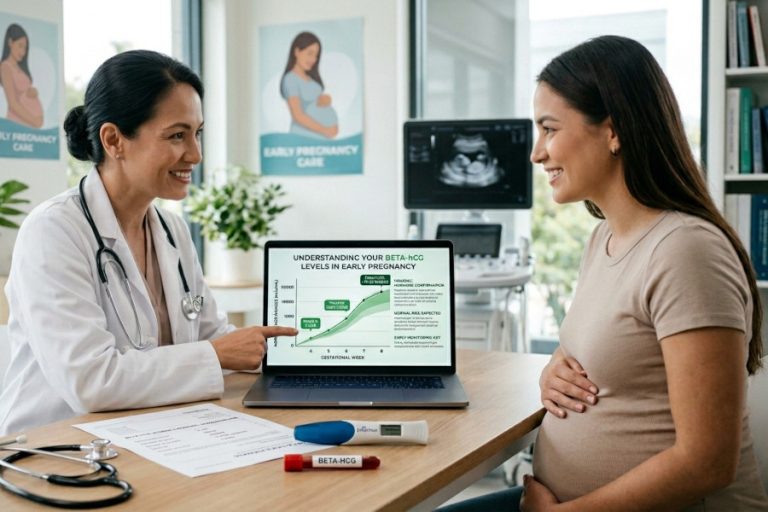
Blood tests – measuring hCG (pregnancy hormone) levels, which may rise abnormally in ectopic pregnancies
Pelvic exam – to assess tenderness or unusual masses
Treatment Options
Unfortunately, an ectopic pregnancy cannot be moved to the uterus or result in a live birth. Treatment focuses on removing the ectopic tissue to protect the mother’s health. Options may include:
Medication (Methotrexate)
Stops the growth of the pregnancy tissue
Allows the body to absorb it naturally
Used in cases where the tube has not ruptured
Surgery
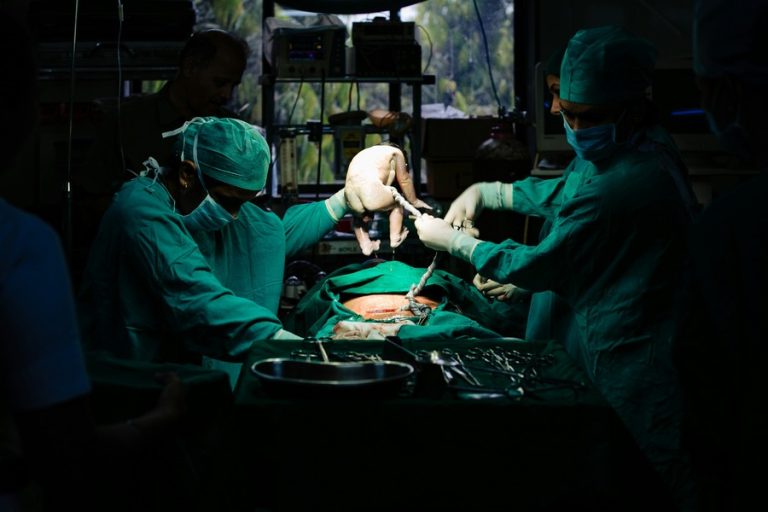
Laparoscopic surgery to remove the ectopic tissue
Sometimes the affected fallopian tube may also need to be removed (salpingectomy)
The choice of treatment depends on the size, location, and symptoms of the ectopic pregnancy.
Emotional Impact
Beyond the physical risks, experiencing an ectopic pregnancy can be emotionally devastating. Many women feel grief, confusion, or fear about future pregnancies. Support from partners, family, counseling, or support groups can be very helpful during recovery.
Future Fertility After an Ectopic Pregnancy
Many women go on to have successful pregnancies after an ectopic pregnancy. Fertility depends on factors such as:
Whether one or both fallopian tubes remain healthy
Overall reproductive health
Underlying conditions like endometriosis or pelvic infections
Your doctor may recommend early monitoring in future pregnancies to confirm proper implantation.
Final Thoughts
A pregnancy outside the uterus is a serious medical emergency that requires immediate care. While it cannot result in a viable pregnancy, timely diagnosis and treatment protect a woman’s health and preserve future fertility in many cases.
If you ever experience severe abdominal pain, unusual bleeding, or dizziness in early pregnancy, seek medical help right away. Early awareness and care can save lives.