Understanding Fibroids: Causes, Symptoms, and Treatment Options
Fibroids are one of the most common gynecological conditions affecting women, especially during their reproductive years. While the term may sound alarming, most fibroids are non-cancerous and treatable. Understanding what fibroids are, why they occur, and how they can be managed is key to maintaining reproductive health and peace of mind.
What Are Fibroids?
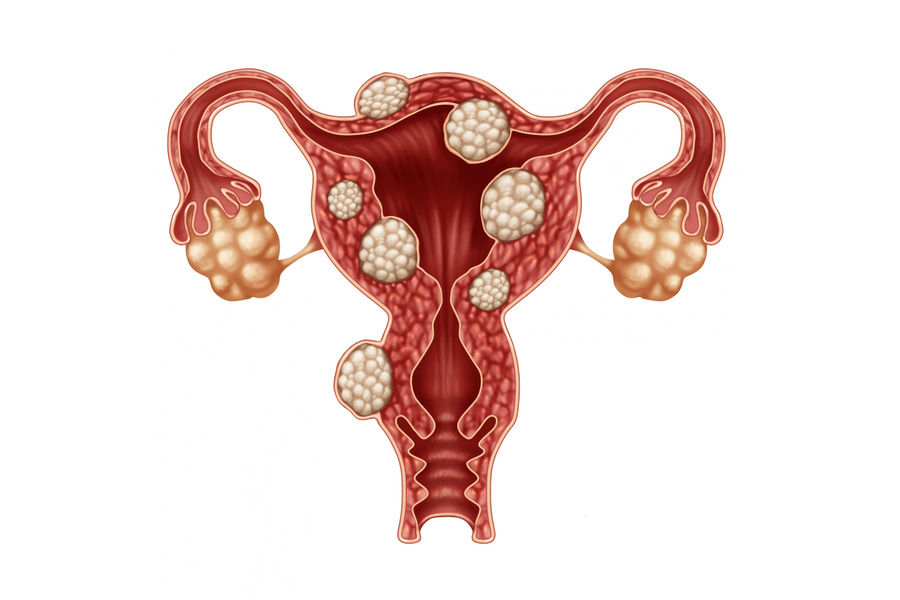
Fibroids, also called uterine leiomyomas or myomas, are benign (non-cancerous) growths that develop in or on the uterus. They are made up of muscle and fibrous tissue and can vary in size—from as small as a pea to as large as a grapefruit.
Fibroids may grow inside the uterine wall, on its surface, or even into the cavity of the uterus. Many women have fibroids without ever realizing it because they often cause no symptoms.
Types of Uterine Fibroids
Fibroids are categorized based on their location in the uterus:
Intramural Fibroids
Grow within the muscular wall of the uterus.
The most common type and may enlarge the uterus as they grow.
Subserosal Fibroids
Develop on the outer surface of the uterus.
Can press on nearby organs like the bladder, causing discomfort or frequent urination.
Submucosal Fibroids
Form just under the lining of the uterine cavity.
Often linked to heavy menstrual bleeding and fertility problems.
Pedunculated Fibroids
Grow on small stalks inside or outside the uterus, resembling mushrooms.
Can cause pain if the stalk twists.
What Causes Fibroids?
The exact cause of fibroids isn’t fully understood, but several factors can contribute to their development:
Hormones: Estrogen and progesterone—two hormones that stimulate the uterine lining during the menstrual cycle—seem to promote fibroid growth.
Genetics: A family history of fibroids increases your risk.
Age: Most common between the ages of 30 and 50, and often shrink after menopause.
Lifestyle and Health Factors: Obesity, diet high in red meat, and low intake of fruits and vegetables may increase risk.
Pregnancy: Fibroids sometimes grow during pregnancy due to increased hormone levels.
Symptoms of Fibroids
Some women never experience symptoms, but when they occur, they can include:
Heavy or prolonged menstrual bleeding
Pelvic pain or pressure
Frequent urination or difficulty emptying the bladder
Constipation
Lower back or leg pain
Pain during intercourse
Abdominal swelling or feeling of fullness
Difficulty getting pregnant or maintaining pregnancy
How Are Fibroids Diagnosed?
Fibroids are often discovered during a routine pelvic exam or ultrasound. Additional diagnostic tests may include:
Transvaginal ultrasound – to get a clearer view of the uterus and fibroids.
MRI (Magnetic Resonance Imaging) – to determine size, location, and number of fibroids.
Hysteroscopy – a thin scope is inserted through the cervix to view the uterine cavity.
Sonohysterography – ultrasound with saline solution for detailed imaging of the uterus.
Treatment Options for Fibroids
The right treatment depends on factors such as the size and number of fibroids, symptoms, age, and desire for future pregnancy.
1. Watchful Waiting
If fibroids cause no symptoms, regular monitoring may be all that’s needed.
Many fibroids shrink naturally after menopause.
2. Medication
Hormonal treatments can regulate menstrual cycles and reduce bleeding or fibroid size (e.g., birth control pills, GnRH agonists).
Non-hormonal medications like pain relievers and iron supplements may help manage symptoms.
3. Minimally Invasive Procedures
Uterine Artery Embolization (UAE): Blocks blood flow to fibroids, causing them to shrink.
MRI-Guided Focused Ultrasound: Uses sound waves to destroy fibroid tissue.
4. Surgical Treatments
Myomectomy: Removes fibroids while preserving the uterus—ideal for women who want to maintain fertility.
Hysterectomy: Complete removal of the uterus—considered for severe symptoms or when other treatments are ineffective.
Can Fibroids Affect Fertility?
Fibroids can sometimes interfere with fertility, depending on their size and location. Submucosal fibroids, in particular, may make it harder for an embryo to implant or may increase the risk of miscarriage. However, many women with fibroids conceive and have healthy pregnancies.
Managing Fibroids Naturally
While medical treatment is often necessary, lifestyle changes may help manage symptoms or reduce risk:
Maintain a healthy weight.
Eat a balanced diet rich in fruits, vegetables, and whole grains.
Limit red meat and processed foods.
Manage stress and get regular exercise.
Final Thoughts
Fibroids are common, but they don’t have to control your life. With proper diagnosis and care, most women can effectively manage their symptoms and protect their reproductive health.
If you suspect you have fibroids or experience unusual menstrual bleeding or pelvic pain, consult a healthcare provider for evaluation and personalized treatment options.
Early detection and proactive management can make all the difference in maintaining your comfort, fertility, and overall well-being.