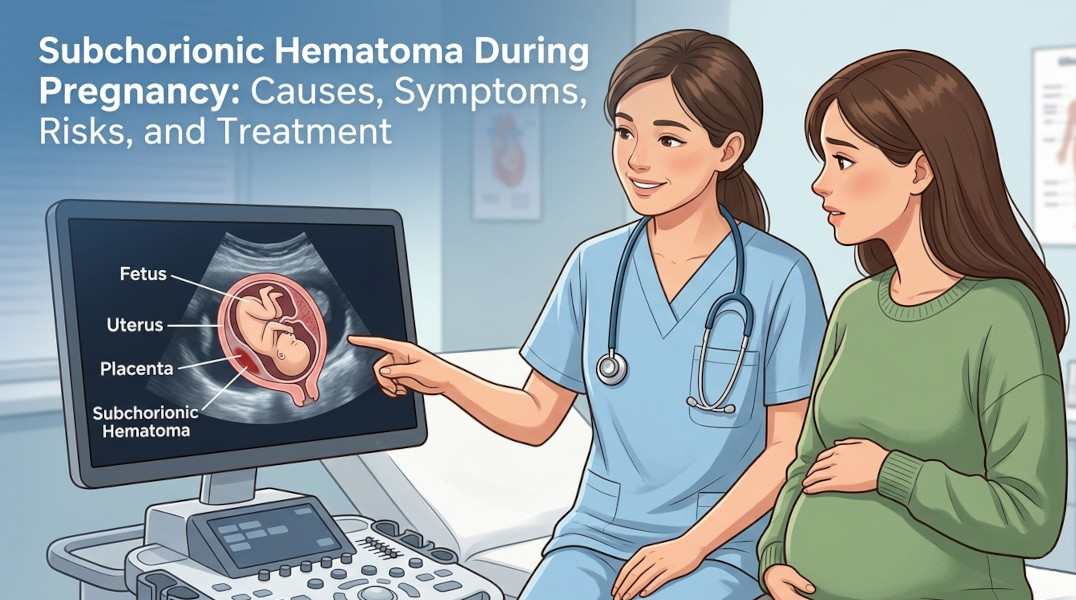
Subchorionic Hematoma During Pregnancy: Causes, Symptoms, Risks, and Treatment
Pregnancy is an exciting journey, but it can also bring unexpected concerns. One condition that may cause anxiety for expectant mothers is a subchorionic hematoma (SCH). Hearing this diagnosis after experiencing bleeding during pregnancy can be alarming, but understanding what it means can help provide reassurance and guide appropriate care.
A subchorionic hematoma is one of the most common causes of vaginal bleeding during early pregnancy. While many women with this condition go on to have healthy pregnancies and deliveries, proper monitoring by an experienced OB-GYN is essential.
This article explains what a subchorionic hematoma is, its causes, symptoms, potential risks, and how it is managed during pregnancy.
What Is a Subchorionic Hematoma?
A subchorionic hematoma is a collection of blood that forms between the uterine wall and the chorionic membrane, which surrounds the developing baby.
This occurs when a small portion of the placenta partially separates from the uterine lining, causing blood to accumulate in the space between them.
The condition is sometimes referred to as:
- Subchorionic hemorrhage
- Subchorionic bleed
- Subchorionic clot
It is commonly detected during a pregnancy ultrasound, particularly in the first trimester.
How Common Is Subchorionic Hematoma?
Subchorionic hematomas are relatively common and may occur in approximately 1% to 3% of pregnancies.
Many cases are discovered incidentally during routine ultrasound examinations, even in women who have no symptoms.
What Causes a Subchorionic Hematoma?
The exact cause is not always known. However, it is believed to occur when there is a slight separation between the developing placenta and the uterine wall.
Potential contributing factors include:
- Implantation-related bleeding
- Abnormal placental attachment
- Trauma or injury (rare)
- Blood clotting disorders
- Certain fertility treatments
In most cases, there is nothing the mother did to cause the condition.
Signs and Symptoms
Some women experience noticeable symptoms, while others have none at all.
Common symptoms include:
Vaginal Bleeding
The most frequent symptom is vaginal bleeding during early pregnancy.
The bleeding may be:
- Light spotting
- Pink, brown, or red discharge
- Heavy bleeding in some cases
Pelvic Pain or Cramping
Some women may experience:
- Mild abdominal discomfort
- Pelvic pressure
- Light cramping
No Symptoms
Many subchorionic hematomas are found during routine ultrasounds despite the absence of bleeding or pain.
How Is a Subchorionic Hematoma Diagnosed?
Ultrasound Examination
A transvaginal or abdominal ultrasound is the primary method used to diagnose a subchorionic hematoma.
The ultrasound can help determine:
- The size of the hematoma
- Its location
- Whether the baby is developing normally
- Fetal heartbeat and growth
Regular follow-up ultrasounds may be recommended to monitor the hematoma over time.
Does a Subchorionic Hematoma Harm the Baby?
In many cases, a subchorionic hematoma resolves on its own and does not affect the pregnancy.
The impact depends on several factors, including:
- The size of the hematoma
- Its location
- Gestational age
- Whether bleeding continues
Small hematomas generally carry a very good prognosis.
Potential Risks and Complications
While many pregnancies progress normally, larger hematomas may increase the risk of certain complications.
Possible risks include:
Miscarriage
The risk is generally higher when the hematoma is large or diagnosed very early in pregnancy.
Placental Abruption
In rare cases, bleeding may contribute to placental complications later in pregnancy.
Preterm Labor
Large or persistent hematomas may increase the likelihood of preterm birth.
Premature Rupture of Membranes
Some studies suggest a slightly increased risk in specific cases.
It is important to remember that most women with a subchorionic hematoma ultimately deliver healthy babies.
Treatment and Management
There is no specific medication that can immediately remove a subchorionic hematoma. Treatment focuses on monitoring the pregnancy and supporting maternal health.
Close Monitoring
Regular prenatal visits and ultrasounds help assess:
- Fetal growth
- Fetal heartbeat
- Changes in the size of the hematoma
Activity Modification
Depending on the severity of bleeding, your OB-GYN may recommend:
- Limiting strenuous exercise
- Avoiding heavy lifting
- Temporary pelvic rest
Recommendations vary based on individual circumstances.
Hydration and Healthy Lifestyle
Maintaining good overall health can support pregnancy wellness.
This includes:
- Drinking adequate fluids
- Eating a balanced diet
- Attending all prenatal appointments
Progesterone Therapy
In selected cases, progesterone supplementation may be prescribed, particularly if there is a history of miscarriage or other pregnancy-related concerns.
Your OB-GYN will determine whether this treatment is appropriate.
When Should You Seek Immediate Medical Attention?
Contact your healthcare provider immediately if you experience:
- Heavy vaginal bleeding
- Severe abdominal pain
- Strong uterine cramping
- Dizziness or fainting
- Passage of large blood clots
- Decreased fetal movement later in pregnancy
Prompt evaluation helps ensure the safety of both mother and baby.
Can a Subchorionic Hematoma Be Prevented?
Unfortunately, there is no guaranteed way to prevent a subchorionic hematoma.
However, maintaining regular prenatal care allows for early detection and appropriate management of any pregnancy complications.
What Is the Prognosis?
The outlook for most women diagnosed with a subchorionic hematoma is reassuring.
Many hematomas:
- Gradually shrink over time
- Resolve completely during pregnancy
- Do not affect fetal development
With proper prenatal monitoring and individualized care, the majority of pregnancies result in the delivery of a healthy baby.
The Importance of Early Prenatal Care
Regular prenatal visits play a crucial role in identifying and managing pregnancy complications, including subchorionic hematomas.
Early evaluation allows your OB-GYN to:
- Confirm fetal well-being
- Monitor bleeding episodes
- Assess pregnancy progression
- Provide personalized recommendations
If you experience any vaginal bleeding during pregnancy, do not ignore it. Schedule an evaluation with your healthcare provider as soon as possible.
Final Thoughts
A subchorionic hematoma can be a frightening diagnosis, especially when accompanied by bleeding during pregnancy. Fortunately, many cases are mild and resolve without causing harm to the mother or baby.
The key to successful management is early diagnosis, regular monitoring, and ongoing communication with your OB-GYN. If you have concerns about bleeding, cramping, or any unusual symptoms during pregnancy, seek professional medical advice promptly.
With expert prenatal care and careful follow-up, many women with a subchorionic hematoma go on to enjoy healthy pregnancies and successful deliveries.