Toxoplasmosis in Pregnancy: Symptoms, Risks, Testing, and Prevention in the Philippines
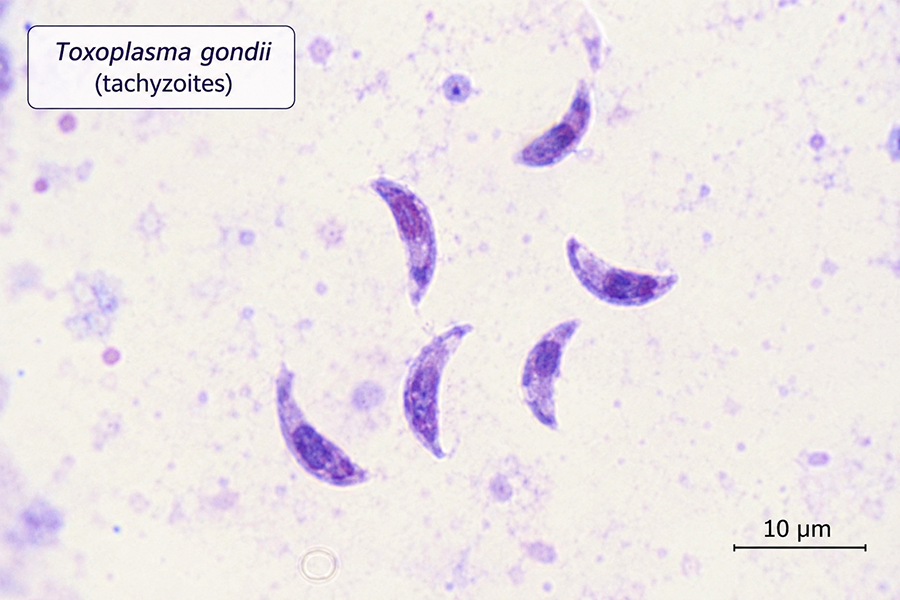
Toxoplasmosis is an infection caused by a parasite called Toxoplasma gondii. Although the infection often causes mild or no symptoms in healthy adults, it can pose a risk during pregnancy if a woman becomes infected for the first time while pregnant.
The parasite can sometimes cross the placenta and infect the developing baby, resulting in a condition known as congenital toxoplasmosis. Depending on the timing and severity of infection, congenital toxoplasmosis can affect a baby’s brain, eyes, and other organs.
For pregnant women in the Philippines, understanding how toxoplasmosis spreads and how to prevent it is an important part of prenatal care. Exposure can occur through contaminated food, soil, water, or contact with cat feces. However, having a cat does not automatically mean a pregnant woman is at risk, and simple food safety and hygiene practices can substantially reduce exposure.
An OB-GYN can help assess possible exposure, determine whether testing is appropriate, monitor the pregnancy when infection is suspected, and coordinate treatment with specialists when necessary.
What Is Toxoplasmosis?
Toxoplasmosis is a parasitic infection caused by Toxoplasma gondii.
The parasite can infect humans and many animals. Cats and other members of the feline family are its definitive hosts, meaning the parasite can reproduce in their intestines and be shed in their feces.
Humans can become infected by accidentally ingesting the parasite through contaminated food, water, soil, or other materials.
In most healthy adults, toxoplasmosis does not cause noticeable symptoms. Some people may experience a mild illness resembling the flu.
However, infection during pregnancy requires particular attention because the parasite may pass from the mother to the fetus through the placenta.
Why Is Toxoplasmosis a Concern During Pregnancy?
When a pregnant woman acquires a new Toxoplasma gondii infection, the parasite may enter her bloodstream and reach the placenta.
If the placenta becomes infected, the parasite may cross into the fetal circulation and infect the developing baby.
This can result in congenital toxoplasmosis.
The risk and severity of fetal infection depend partly on when the mother becomes infected during pregnancy.
Infection During Early Pregnancy
When infection occurs during the first trimester, transmission to the fetus is generally less likely than later in pregnancy.
However, when fetal infection does occur early in pregnancy, it may result in more severe complications, including miscarriage or serious fetal abnormalities.
Infection During the Second Trimester
Infection during the second trimester can result in fetal transmission and may affect the baby’s brain, eyes, and other organs.
Some abnormalities may be detected during prenatal ultrasound, while others may only become apparent after birth.
Infection During the Third Trimester
The likelihood of transmission generally increases as pregnancy progresses.
However, fetal infection acquired later in pregnancy is often less severe at birth than infection acquired earlier.
Some babies infected during the third trimester may appear healthy at birth but develop eye or neurological complications later in infancy or childhood.
These are general patterns, not guarantees. Each suspected infection requires individual assessment.
How Is Toxoplasmosis Transmitted?
Toxoplasmosis is usually acquired through accidental ingestion of the parasite.
The main routes of transmission include:
1. Eating Undercooked or Raw Meat
Meat can contain tissue cysts of Toxoplasma gondii.
Eating raw or undercooked meat may expose a person to the parasite.
In the Philippines, possible sources include:
Undercooked pork
Undercooked lamb or other meat
Raw or undercooked meat dishes
Meat contaminated during preparation
Meat should be cooked thoroughly before consumption.
2. Eating Contaminated Fruits and Vegetables
Fresh produce can become contaminated with soil or water containing the parasite.
Examples include:
Unwashed vegetables
Fruits handled with contaminated hands
Produce grown in contaminated soil
Raw vegetables prepared on contaminated surfaces
Pregnant women should wash fruits and vegetables thoroughly under clean running water before eating or preparing them.
3. Contact With Contaminated Soil
The parasite may be present in soil contaminated by cat feces.
Exposure can occur during:
Gardening
Planting vegetables
Handling soil
Cleaning outdoor areas
Playing or working in contaminated ground
Pregnant women should wear gloves when handling soil and wash their hands thoroughly afterward.
4. Contact With Cat Feces
Cats can shed the parasite in their feces after becoming infected.
A person may become infected when contaminated material is accidentally transferred to the mouth through unwashed hands.
Potential exposure includes:
Cleaning a litter box
Handling contaminated soil
Touching surfaces contaminated with cat feces
Cleaning areas where stray cats defecate
The parasite usually needs time outside the cat’s body to become infectious. Prompt and daily litter-box cleaning can therefore help reduce risk.
5. Contaminated Water
In some circumstances, contaminated water may transmit toxoplasmosis.
Pregnant women should use safe drinking water and follow local advisories when water quality is uncertain.
Can You Get Toxoplasmosis From Your Cat?
Cats are associated with toxoplasmosis, but they are not the only source of infection.
A pregnant woman may acquire toxoplasmosis from contaminated meat, produce, soil, or water without ever owning a cat.
It is also important to understand that not every cat carries the parasite or sheds it in its feces.
Cats are more likely to become infected when they:
Hunt birds or rodents
Eat raw meat
Have access to contaminated soil
Consume contaminated food
Indoor cats that are fed commercial cat food and do not hunt are generally less likely to become infected.
Pregnant women do not need to give up their cats solely because of pregnancy. Appropriate hygiene and litter-box precautions can help reduce the risk.
What Are the Symptoms of Toxoplasmosis During Pregnancy?
Many pregnant women with toxoplasmosis have no symptoms.
When symptoms occur, they may be mild and nonspecific.
Possible symptoms include:
Mild fever
Fatigue
Muscle aches
Headache
Sore throat
Swollen lymph nodes, particularly in the neck
Flu-like symptoms
These symptoms can resemble many other common infections.
Having no symptoms does not necessarily mean that infection has not occurred.
If you are pregnant and believe you may have been exposed to toxoplasmosis, contact your OB-GYN to discuss whether testing or further evaluation is appropriate.
What Is Congenital Toxoplasmosis?
Congenital toxoplasmosis occurs when Toxoplasma gondii infects a baby before birth.
The infection may affect several organs, particularly the brain and eyes.
Some babies have obvious signs of infection at birth. Others may appear healthy initially and develop symptoms later.
Possible complications include:
Chorioretinitis, an inflammation affecting the retina and choroid of the eye
Vision impairment
Hydrocephalus
Intracranial calcifications
Seizures
Developmental delays
Hearing problems
Liver or spleen enlargement
Jaundice
Premature birth
Low birth weight
In severe cases, fetal loss or stillbirth
Not every baby infected with toxoplasmosis will develop all these complications.
The severity varies depending on when infection occurred, the extent of fetal involvement, and whether treatment was provided.
Can Toxoplasmosis Affect a Baby Who Appears Healthy at Birth?
Yes.
Some babies with congenital toxoplasmosis have no obvious symptoms at birth.
However, complications may become apparent months or years later, particularly involving the eyes or neurological development.
For this reason, when congenital infection is suspected or confirmed, appropriate newborn evaluation and follow-up are important even if the baby appears well.
How Is Toxoplasmosis Diagnosed During Pregnancy?
Diagnosis generally involves a combination of maternal blood tests, clinical assessment, and, when indicated, fetal evaluation.
Testing is particularly important when:
A pregnant woman has a suspected recent exposure
Symptoms suggest possible infection
Prenatal ultrasound shows findings that may be associated with congenital infection
There is a medical reason to investigate possible toxoplasmosis
1. Maternal Blood Tests
Blood tests can detect antibodies against Toxoplasma gondii.
The most commonly used tests include:
Toxoplasma IgG
IgG antibodies indicate that a person has been exposed to the parasite at some point.
A positive IgG result alone does not establish that infection occurred during the current pregnancy.
Toxoplasma IgM
IgM antibodies may appear during a recent infection.
However, IgM can remain detectable for a prolonged period, and false-positive results can occur.
Therefore, a positive IgM result does not automatically mean that a woman has a new infection acquired during pregnancy.
2. IgG Avidity Testing
IgG avidity testing may help estimate whether infection occurred relatively recently or in the more distant past.
This test can be useful when a pregnant woman has positive IgG and IgM results and the timing of infection is uncertain.
Interpretation depends on the timing of testing and the laboratory method.
3. Confirmatory Testing
When maternal infection is suspected, additional testing or consultation with a laboratory experienced in toxoplasmosis may be necessary.
This is important because misinterpreting antibody results can lead to unnecessary anxiety or inappropriate treatment.
4. Prenatal Ultrasound
An OB-GYN may recommend detailed ultrasound examination to assess fetal development.
Possible ultrasound findings associated with congenital toxoplasmosis include:
Intracranial abnormalities
Ventriculomegaly or hydrocephalus
Intracranial calcifications
Abnormal liver or spleen enlargement
Ascites
Findings suggesting fetal growth restriction
However, a normal ultrasound does not completely exclude fetal infection.
5. Amniotic Fluid PCR
In selected cases, an OB-GYN or maternal-fetal medicine specialist may recommend testing amniotic fluid for Toxoplasma gondii DNA using polymerase chain reaction (PCR).
This test may help determine whether the fetus has been infected.
Amniocentesis is an invasive procedure and is not necessary for every pregnant woman with possible exposure.
The decision depends on maternal test results, gestational age, ultrasound findings, and whether the result would change management.
Does Every Pregnant Woman Need Toxoplasmosis Screening?
Not necessarily.
Routine toxoplasmosis screening policies vary between countries and healthcare systems.
In some settings, screening is offered as part of a prenatal program. In others, testing is performed when there is suspected exposure, maternal illness, or concern about fetal infection.
A pregnant woman in the Philippines should discuss the need for testing with her OB-GYN rather than assuming that all pregnant women require the same tests.
Testing may be especially important when there is a history of:
Eating raw or undercooked meat
Handling contaminated soil without protection
Cleaning cat litter during pregnancy
Suspected exposure to contaminated water
Symptoms that may suggest a recent infection
Ultrasound findings that raise concern for congenital infection
How Is Toxoplasmosis Treated During Pregnancy?
Treatment depends on the timing of maternal infection and whether fetal infection is suspected or confirmed.
The goal may be to reduce the risk of transmission to the fetus, treat infection in the fetus, or address maternal illness.
Treatment should be prescribed and supervised by an OB-GYN, maternal-fetal medicine specialist, or infectious disease specialist.
Spiramycin
Spiramycin may be used in selected cases of confirmed or suspected maternal infection when fetal infection has not been documented.
It is used with the aim of reducing the risk of transmission to the fetus.
Its effectiveness depends in part on when treatment is started.
Pyrimethamine, Sulfadiazine, and Folinic Acid
When fetal infection is documented or strongly suspected, specialists may recommend a different treatment regimen involving pyrimethamine, sulfadiazine, and folinic acid.
These medications require careful consideration of gestational age, potential risks, and maternal and fetal monitoring.
Pyrimethamine is generally avoided during the first trimester because of concerns related to folate metabolism and fetal development.
Why Should You Avoid Self-Medicating?
Not all antiparasitic medications are appropriate during pregnancy.
Some treatments require blood monitoring and careful evaluation of potential adverse effects.
Do not take medication for suspected toxoplasmosis without medical advice.
If infection is suspected, prompt specialist evaluation can help determine the safest and most appropriate approach.
What Happens If Toxoplasmosis Is Diagnosed During Pregnancy?
If maternal infection is confirmed or strongly suspected, the healthcare team may recommend:
Review of maternal antibody results
Confirmatory laboratory testing
Assessment of gestational age at infection
Detailed fetal ultrasound
Additional fetal evaluation when appropriate
Antiparasitic treatment
Serial monitoring of fetal growth and development
Consultation with maternal-fetal medicine or infectious disease specialists
The care plan will depend on whether the infection is limited to the mother or whether fetal infection is suspected or confirmed.
A diagnosis of maternal toxoplasmosis does not automatically mean that the baby has been infected.
Can Toxoplasmosis Be Prevented During Pregnancy?
Yes.
Although it is not possible to eliminate every risk, practical food safety and hygiene measures can significantly reduce the likelihood of infection.
1. Cook Meat Thoroughly
Avoid eating raw or undercooked meat during pregnancy.
Ensure that meat is cooked thoroughly, including pork and other meats that may contain tissue cysts.
Avoid tasting meat before it is fully cooked.
2. Wash Fruits and Vegetables
Wash fruits and vegetables thoroughly under clean running water before eating them.
This is particularly important for produce that may have been exposed to soil.
3. Wash Your Hands
Wash your hands with soap and water:
Before preparing food
Before eating
After handling raw meat
After gardening
After touching soil
After handling cat litter
After cleaning potentially contaminated surfaces
4. Use Gloves When Gardening
Wear gloves when gardening or handling soil.
After gardening, remove gloves carefully and wash your hands.
5. Avoid Cleaning Cat Litter When Possible
If possible, ask another household member to clean the litter box during pregnancy.
If you must clean it yourself:
Wear disposable gloves
Avoid touching your face
Clean the litter box daily
Wash your hands thoroughly afterward
6. Keep Cats Indoors
Keeping cats indoors can reduce their exposure to infected rodents, birds, and contaminated soil.
Feed cats commercial cat food rather than raw meat.
7. Use Safe Drinking Water
Use safe drinking water for drinking, food preparation, and washing produce.
If water quality is uncertain, follow local public health guidance regarding appropriate treatment.
Toxoplasmosis Prevention in the Philippines
In the Philippines, pregnant women may encounter exposure risks through everyday food preparation and environmental conditions.
Examples include:
Eating grilled meat that may not be cooked thoroughly
Consuming raw or inadequately washed vegetables
Handling soil during gardening
Cleaning areas where stray cats may defecate
Using water from sources with uncertain safety
These risks do not mean that pregnant women need to avoid all outdoor activities or stop eating all locally prepared food.
Instead, they should follow consistent food safety and hygiene practices.
For an OBGYN services provider, prenatal counseling can help patients understand practical prevention strategies without creating unnecessary fear.
Should Pregnant Women Avoid Cats Completely?
No.
Pregnancy does not automatically require giving away a pet cat.
The most important precautions are to avoid contact with cat feces, use safe litter-box practices, keep cats indoors where possible, and avoid feeding them raw meat.
Cats are only one potential source of toxoplasmosis.
Food safety and soil hygiene are equally important.
What Should You Do If You Think You Have Been Exposed?
If you are pregnant and believe you may have been exposed to toxoplasmosis:
Contact your OB-GYN and explain the possible exposure.
Provide details about when and how the exposure occurred.
Discuss whether blood testing is appropriate.
Follow the recommended testing and monitoring plan.
Avoid taking medication without medical advice.
A possible exposure does not automatically mean that you have become infected or that your baby has been affected.
Your OB-GYN can help assess the risk and determine whether further evaluation is necessary.
When Should You Consult an OB-GYN?
Consult an OB-GYN if you are pregnant and:
Have a possible exposure to contaminated food, soil, or cat feces
Develop fever, swollen lymph nodes, or flu-like symptoms after a suspected exposure
Receive a positive toxoplasmosis antibody test
Have an ultrasound finding that raises concern for congenital infection
Have questions about toxoplasmosis testing or prevention
Are unsure whether your current prenatal screening includes toxoplasmosis testing
Seek urgent medical attention for severe symptoms such as difficulty breathing, confusion, severe headache, seizures, or significant visual changes.
Frequently Asked Questions About Toxoplasmosis in Pregnancy
Can toxoplasmosis cause miscarriage?
Toxoplasmosis acquired during pregnancy can cause serious fetal complications, including miscarriage or stillbirth in some cases. However, not every maternal infection results in fetal infection or pregnancy loss.
Can I get toxoplasmosis from touching a cat?
Simply touching or petting a cat is not a typical route of transmission.
Infection generally occurs when a person accidentally ingests the parasite from contaminated material, such as cat feces, soil, food, or water.
Can toxoplasmosis be transmitted through breastfeeding?
Toxoplasmosis is not generally considered to be transmitted through breast milk. However, treatment decisions and breastfeeding advice should be individualized if a mother has an active infection or is taking medication.
If I had toxoplasmosis before pregnancy, can my baby still get infected?
For most women with a healthy immune system, an infection acquired before pregnancy generally provides protection against a new infection during pregnancy.
However, rare exceptions can occur, particularly in people with significant immune suppression.
Your OB-GYN can interpret your antibody results in the context of your medical history.
Can a normal ultrasound rule out congenital toxoplasmosis?
No.
Some fetuses with congenital toxoplasmosis may have normal prenatal ultrasound findings.
Additional testing may be considered when maternal infection is confirmed or strongly suspected.
Will my baby have symptoms at birth if infected?
Not necessarily.
Some babies with congenital toxoplasmosis appear healthy at birth but develop eye or neurological complications later.
If congenital infection is suspected or confirmed, pediatric evaluation and follow-up are important.
Protect Your Pregnancy With Appropriate Prenatal Care
Toxoplasmosis is an infection that deserves attention during pregnancy because it can sometimes affect the developing baby.
However, exposure does not automatically mean infection, and maternal infection does not automatically mean fetal infection.
The most important steps are to practice food safety, maintain good hygiene, avoid unnecessary exposure to cat feces and contaminated soil, and seek medical advice when a possible exposure occurs.
If you are pregnant, planning a pregnancy, or concerned about toxoplasmosis, consult an OB-GYN for personalized advice on prevention, testing, and treatment.
Early evaluation and appropriate care can help protect maternal health and support the best possible outcome for the pregnancy.