Malformed Uterus: Types, Symptoms, Causes, and Effects on Fertility and Pregnancy
A malformed uterus is a condition in which the uterus does not develop into its typical shape before birth. Many women with a uterine malformation live normal, healthy lives and may not even realize they have one until they experience fertility issues, recurrent pregnancy loss, or undergo imaging for another reason.
This article explains what a malformed uterus is, why it occurs, the different types, how it is diagnosed, and how it can affect fertility and pregnancy outcomes.
What Is a Malformed Uterus?
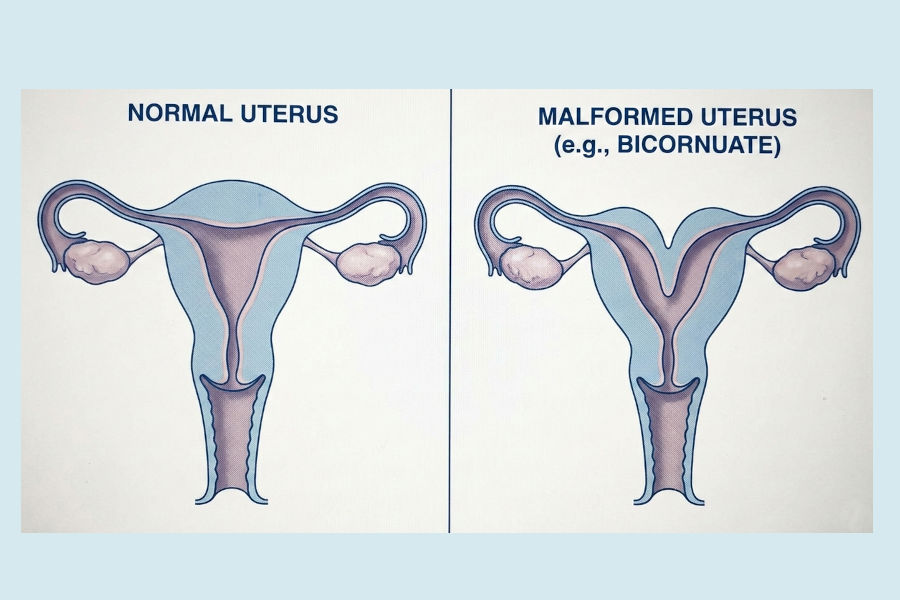
A malformed uterus—also called a congenital uterine anomaly—is a structural difference in the uterus that forms during fetal development. These anomalies occur when the Müllerian ducts, which form the female reproductive organs, do not develop, fuse, or shape properly.
These conditions are present from birth, though symptoms may not appear until adolescence or adulthood.
How Common Is a Malformed Uterus?
Uterine malformations affect approximately 3–7% of women in the general population and are more common among women who experience:
Recurrent miscarriages
Infertility
Preterm labor
Many women are unaware of their condition until they attempt to conceive.
Types of Malformed Uterus
There are several types of uterine malformations, varying in severity and reproductive impact.
1. Septate Uterus
A fibrous or muscular wall divides the uterus partially or completely
One of the most common types
Associated with recurrent miscarriage
Often treatable with minor surgery
2. Bicornuate Uterus
Heart-shaped uterus with two upper chambers
May increase risk of preterm birth
Many women carry pregnancies successfully
3. Unicornuate Uterus
Only one half of the uterus develops
Often associated with kidney abnormalities
Higher risk of miscarriage and preterm birth
4. Didelphys Uterus
Two separate uteruses and often two cervixes
Some women also have a vaginal septum
Pregnancy is possible, but close monitoring is needed
5. Arcuate Uterus
Mild indentation at the top of the uterus
Considered a minor variation
Usually does not affect fertility
6. Agenesis or Hypoplasia
Uterus is absent or underdeveloped
Often diagnosed at puberty due to absence of menstruation
Causes of Uterine Malformations
Malformed uteruses result from abnormal development during early pregnancy in the mother’s womb. The exact cause is often unknown, but contributing factors may include:
Genetic influences
Environmental exposures during fetal development
Certain medications taken during pregnancy
These anomalies are not caused by lifestyle factors in adulthood.
Symptoms of a Malformed Uterus
Many women experience no symptoms. Others may notice:
Painful or irregular periods
Difficulty conceiving
Recurrent miscarriages
Preterm labor
Abnormal fetal position (breech)
Pelvic pain
Symptoms depend on the type and severity of the malformation.
How Is a Malformed Uterus Diagnosed?
Diagnosis typically involves imaging studies, including:
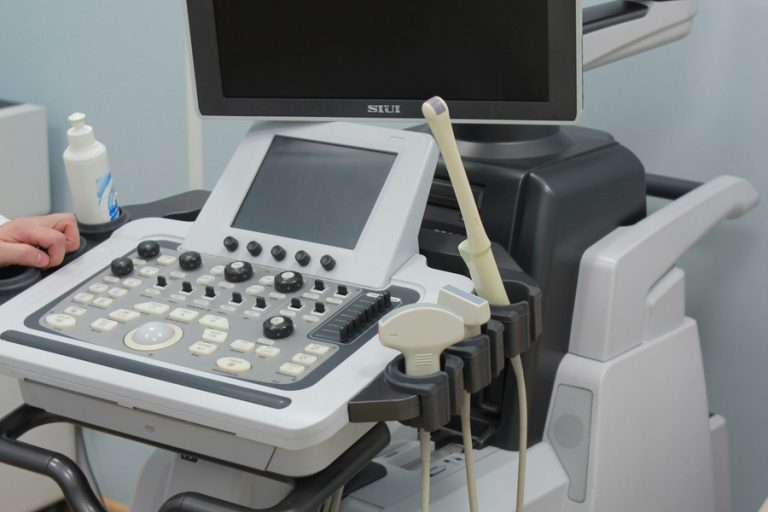
Ultrasound
Transvaginal or 3D ultrasound helps visualize uterine shape.
MRI
Provides detailed images for accurate classification.
Hysterosalpingography (HSG)
An X-ray with contrast dye to examine the uterus and fallopian tubes.
Hysteroscopy or Laparoscopy
Minimally invasive procedures used in complex cases.
Impact on Fertility and Pregnancy
A malformed uterus does not always cause infertility, but it may increase certain risks.
Fertility
Many women conceive naturally
Some anomalies interfere with implantation
Pregnancy Risks
Recurrent miscarriage
Preterm labor
Breech presentation
Low birth weight
Placental abnormalities
With proper monitoring, many women have successful pregnancies.
Treatment Options
Treatment depends on symptoms and reproductive goals.
Observation
No treatment needed if asymptomatic and no pregnancy complications.
Surgical Correction
Septate uterus can often be corrected via hysteroscopy
Improves pregnancy outcomes
High-Risk Pregnancy Care
Close monitoring
Cervical length assessment
Planned delivery strategies
Not all uterine malformations require surgery.
Can You Get Pregnant With a Malformed Uterus?
Yes. Many women with uterine anomalies conceive and deliver healthy babies. Early diagnosis and proper prenatal care are key to managing risks.
When to See a Doctor
Consult a healthcare provider if you experience:
Recurrent pregnancy loss
Difficulty conceiving
Severe menstrual pain
Unusual pelvic symptoms
Early evaluation can improve outcomes.
Final Thoughts
A malformed uterus is more common than many people realize and does not automatically prevent pregnancy or a healthy life. With modern diagnostic tools and individualized care, women with uterine anomalies can receive effective support for fertility, pregnancy, and overall reproductive health.
If you’ve been diagnosed with a uterine malformation, know that you are not alone—and many positive outcomes are possible with the right care.