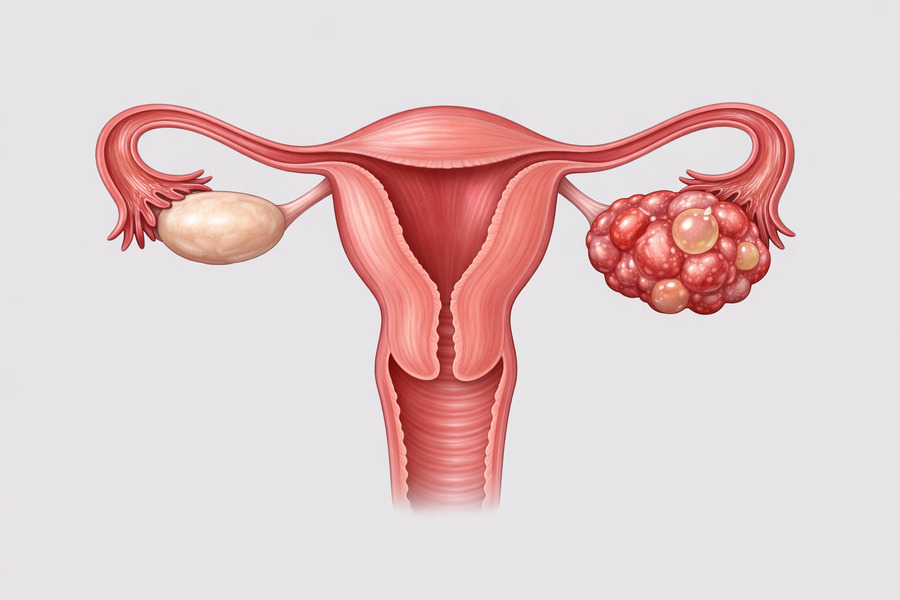
Ovarian Cancer: Symptoms, Risk Factors, Diagnosis, and Treatment
Ovarian cancer is one of the most serious gynecologic cancers affecting women worldwide. Often called a “silent disease,” it can develop with subtle or vague symptoms, making early detection challenging. However, increased awareness, regular checkups, and understanding the warning signs can significantly improve outcomes.
This article explains what ovarian cancer is, its symptoms, risk factors, diagnosis, treatment options, and preventive strategies.
What Is Ovarian Cancer?
Ovarian cancer occurs when abnormal cells in the ovaries grow uncontrollably and form a tumor. The ovaries are two small glands located on either side of the uterus that produce eggs and hormones such as estrogen and progesterone.
Cancer can develop in different types of ovarian cells, which determines the classification of the disease.
Types of Ovarian Cancer
1. Epithelial Ovarian Cancer
The most common type (about 90% of cases)
Begins in the outer lining of the ovary
Typically affects women over 50
2. Germ Cell Tumors
Develop from egg-producing cells
More common in younger women
Often highly treatable
3. Stromal Tumors
Arise from hormone-producing cells
May cause hormonal symptoms
Understanding the type helps guide treatment decisions.
Symptoms of Ovarian Cancer
Early ovarian cancer may cause few or mild symptoms. As it progresses, symptoms may include:
Persistent bloating or abdominal swelling
Pelvic or abdominal pain
Feeling full quickly when eating
Loss of appetite
Frequent urination or urgency
Fatigue
Unexplained weight loss
Changes in bowel habits
If these symptoms occur frequently (more than 12 times per month) and persist, medical evaluation is important.
Risk Factors for Ovarian Cancer
Several factors may increase the risk:
Age
Risk increases after menopause, especially over age 50.
Family History
A family history of ovarian, breast, or colorectal cancer increases risk.
Genetic Mutations
BRCA1 and BRCA2 gene mutations significantly increase ovarian cancer risk.
Reproductive History
Never being pregnant
Early menstruation or late menopause
Hormone Replacement Therapy
Long-term use may slightly increase risk.
Endometriosis
May be linked to certain types of ovarian cancer.
Protective Factors
Certain factors may reduce risk:
Use of oral contraceptives
Pregnancy and breastfeeding
Tubal ligation or hysterectomy (in some cases)
How Is Ovarian Cancer Diagnosed?
There is currently no reliable screening test for women at average risk. Diagnosis typically involves:
Pelvic Examination
May detect enlarged ovaries or masses.
Ultrasound
Transvaginal ultrasound helps visualize ovarian abnormalities.
Blood Tests
CA-125 tumor marker may be elevated in some cases.
Imaging
CT scans or MRI help determine spread.
Biopsy
Definitive diagnosis requires tissue examination after surgery.
Stages of Ovarian Cancer
Staging describes how far the cancer has spread:
Stage I: Limited to the ovaries
Stage II: Spread to nearby pelvic organs
Stage III: Spread to abdominal lining or lymph nodes
Stage IV: Spread to distant organs
Earlier stages generally have better outcomes.
Treatment Options
Treatment depends on cancer type, stage, and overall health.
1. Surgery
Often the first step.
Removal of ovaries and fallopian tubes
Hysterectomy
Removal of visible tumor
2. Chemotherapy
Used after surgery or sometimes before to shrink tumors.
3. Targeted Therapy
Drugs that attack specific cancer cells (e.g., PARP inhibitors).
4. Radiation Therapy
Less commonly used but may be recommended in certain cases.
5. Clinical Trials
May offer access to newer treatments.
Prognosis and Survival
Survival depends heavily on the stage at diagnosis. When detected early (Stage I), survival rates are significantly higher. Unfortunately, many cases are diagnosed at later stages due to subtle symptoms.
Ongoing research continues to improve treatment options and outcomes.
Can Ovarian Cancer Be Prevented?
There is no guaranteed way to prevent ovarian cancer, but high-risk women may consider:
Genetic counseling and testing
Preventive removal of ovaries (for BRCA mutation carriers)
Regular medical monitoring
Discuss risk assessment with a healthcare provider if you have a strong family history.
When to See a Doctor
Seek medical evaluation if you experience:
Persistent bloating
Pelvic pain
Changes in appetite
Frequent urination
Unexplained weight changes
Early assessment improves chances of timely diagnosis.
Emotional Support and Coping
A diagnosis of ovarian cancer can be emotionally overwhelming. Support groups, counseling, and open communication with loved ones and healthcare providers are essential components of care.
Final Thoughts
Ovarian cancer is a serious but treatable condition, especially when detected early. Recognizing persistent symptoms, understanding personal risk factors, and maintaining regular gynecologic checkups are key steps in protecting your health.
If you have concerns about ovarian symptoms or family history, consult your healthcare provider for evaluation and guidance.