Preeclampsia in Pregnancy: Symptoms, Causes, Treatment, and Prevention for a Healthy Mother and Baby
Pregnancy is a time of excitement and anticipation – but it also comes with health challenges that require careful monitoring. One of the most serious pregnancy complications is preeclampsia, a condition that affects both the mother and baby if not detected and managed early.
Recognizing the signs and understanding how preeclampsia develops can make a critical difference in ensuring a healthy pregnancy and safe delivery.
What Is Preeclampsia?
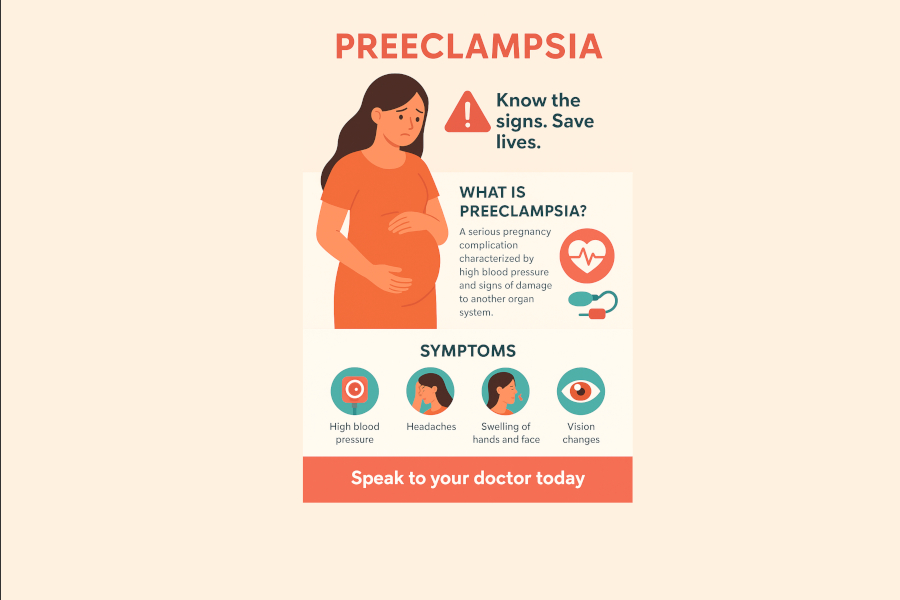
Preeclampsia is a pregnancy-related disorder characterized by high blood pressure and signs of organ damage, most often involving the liver and kidneys.
It usually develops after 20 weeks of pregnancy, though it can also occur after childbirth (a condition known as postpartum preeclampsia).
If not managed properly, preeclampsia can lead to serious complications for both mother and baby, including premature birth, growth restriction, and in severe cases, eclampsia – a life-threatening condition involving seizures.
What Causes Preeclampsia?
The exact cause of preeclampsia isn’t fully understood, but it’s believed to begin with abnormal development of the placenta – the organ that supplies oxygen and nutrients to the baby.
In early pregnancy, blood vessels in the placenta normally widen to allow increased blood flow. In preeclampsia, these vessels don’t develop or function properly, resulting in reduced blood flow to the placenta.
This can trigger a chain reaction that affects blood pressure, organ function, and overall pregnancy health.
Risk Factors for Preeclampsia
While preeclampsia can affect any pregnant woman, certain factors increase your risk:
First pregnancy
History of preeclampsia in previous pregnancies
Family history (mother or sister had preeclampsia)
Multiple pregnancy (twins, triplets, etc.)
Chronic hypertension or kidney disease
Diabetes (type 1, type 2, or gestational)
Autoimmune conditions (e.g., lupus, antiphospholipid syndrome)
Obesity (BMI ≥ 30)
Maternal age over 35
Short or long intervals between pregnancies
Knowing your risk factors helps your healthcare provider take preventive steps early.
Common Symptoms of Preeclampsia
Preeclampsia can develop gradually or suddenly. In some cases, symptoms are subtle, making regular prenatal checkups crucial for early detection.
Warning signs may include:
Persistent high blood pressure (≥140/90 mmHg)
Protein in the urine (proteinuria)
Severe headaches
Swelling (especially in face, hands, and eyes)
Sudden weight gain
Vision changes (blurred vision, flashing lights, or temporary loss)
Nausea or vomiting in the second half of pregnancy
Pain in the upper right abdomen (liver tenderness)
Shortness of breath (due to fluid in lungs)
If you experience any of these symptoms, contact your healthcare provider immediately.
How Is Preeclampsia Diagnosed?
Preeclampsia is usually identified during routine prenatal visits, where your doctor will monitor:
Blood pressure levels
Urine tests for protein
Blood tests for liver and kidney function
Ultrasound scans to assess fetal growth and amniotic fluid levels
Doppler studies to measure blood flow to the baby
Early diagnosis allows for timely intervention and close monitoring to prevent complications.
Potential Complications
If untreated, preeclampsia can lead to serious consequences, including:
Eclampsia: Seizures resulting from severe preeclampsia.
HELLP syndrome: A life-threatening condition involving liver and blood abnormalities (Hemolysis, Elevated Liver enzymes, Low Platelet count).
Placental abruption: Premature separation of the placenta from the uterus.
Premature birth or low birth weight.
Organ damage (to kidneys, liver, or brain).
For the baby, reduced blood flow to the placenta can limit oxygen and nutrient supply, leading to intrauterine growth restriction (IUGR) or stillbirth in severe cases.
Treatment and Management
The only definitive cure for preeclampsia is delivery of the baby and placenta. However, treatment focuses on managing symptoms and prolonging the pregnancy safely, especially if it occurs early.
Management may include:
Frequent monitoring: Regular blood pressure checks, urine tests, and ultrasounds.
Medications:
Antihypertensive drugs to lower blood pressure.
Corticosteroids to help mature the baby’s lungs if early delivery is likely.
Magnesium sulfate to prevent seizures in severe cases.
Bed rest or reduced activity: To improve blood flow and reduce strain.
Hospitalization: In moderate to severe cases for close observation.
If preeclampsia becomes severe or life-threatening, early delivery (induction or cesarean section) may be necessary to protect both mother and baby.
Can Preeclampsia Be Prevented?
While preeclampsia can’t always be prevented, some strategies may reduce your risk:
Prenatal care: Regular checkups help detect warning signs early.
Low-dose aspirin: May be prescribed by your doctor (after 12 weeks) if you’re at high risk.
Calcium supplementation: Can help in regions where dietary calcium intake is low.
Healthy lifestyle:
Maintain a healthy weight before and during pregnancy.
Eat a balanced diet rich in fruits, vegetables, and whole grains.
Stay physically active (with your doctor’s approval).
Manage chronic conditions like diabetes or hypertension effectively.
After Pregnancy: Postpartum Preeclampsia
Preeclampsia can also develop after delivery, usually within 48 hours but sometimes up to 6 weeks postpartum.
Symptoms are similar – headache, high blood pressure, vision problems, and swelling – and require immediate medical attention.
Treatment may include antihypertensive medications and magnesium sulfate to prevent seizures.
Final Thoughts
Preeclampsia is a serious but manageable pregnancy condition when detected early and treated appropriately. Regular prenatal visits, awareness of warning signs, and open communication with your healthcare provider are key to keeping you and your baby safe.
If you experience symptoms like severe headaches, visual disturbances, or swelling, don’t ignore them – seek medical help right away.
With close monitoring and proper care, most women with preeclampsia go on to deliver healthy babies and recover fully after birth.
Your health and your baby’s wellbeing are always worth the extra care and attention.